U.S. Deploys Low-Cost One-Way Drones for First Time in Iran Strikes, Reversing Regime's Tactics
The drones, part of the Low-cost Unmanned Combat Attack System (LUCAS), were deployed by U.S. Central Command’s Task Force Scorpion Strike during "Operation Epic Fury" on February 28, 2026.
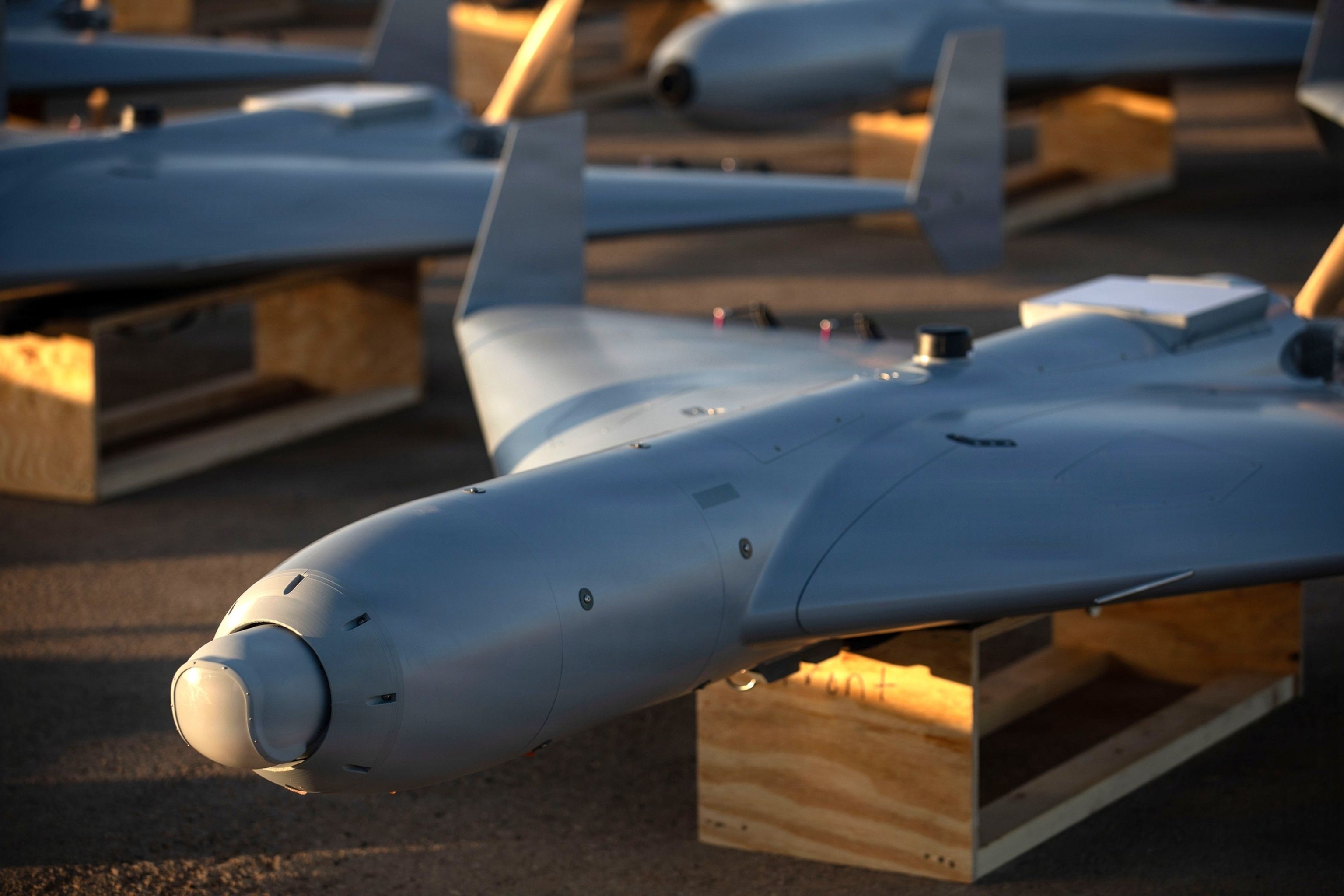
WASHINGTON – U.S. forces launched low-cost, one-way attack drones for the first time during the ongoing military action against Iran, targeting regime assets in a joint operation with Israel that marked a significant advancement in American unmanned warfare capabilities.
The drones, part of the Low-cost Unmanned Combat Attack System (LUCAS), were deployed by U.S. Central Command’s Task Force Scorpion Strike during "Operation Epic Fury" on February 28, 2026. Launched alongside precision munitions from air, land, and sea platforms, they struck key Iranian sites in Tehran, contributing to the elimination of Supreme Leader Ayatollah Ali Khamenei and other senior officials. This debut represented the inaugural combat use of these systems, designed to deliver "American-made retribution" at a fraction of the cost of traditional munitions.
Background on the technology traces to Iran's own Shahed-136 drones, which U.S. engineers reverse-engineered to create a more efficient platform. Weighing about 180 pounds and costing approximately $35,000 per unit, the LUCAS drones are significantly lighter and cheaper than their Iranian counterparts, enabling mass production and deployment. Manufactured by Arizona-based SpektreWorks, they can be launched via catapults, rocket-assisted takeoffs, or mobile ground systems, providing flexibility for rapid strikes against hardened targets like missile sites and command centers.
The rollout of this new platform was accelerated by a July 2025 memo from Secretary of War Pete Hegseth titled “Unleashing U.S. Military Drone Dominance.” The directive addressed gaps in U.S. capabilities exposed by modern conflicts, emphasizing the need for lethal, low-cost drones to counter adversaries like Iran, which has relied heavily on similar one-way systems in proxy attacks. Hegseth's initiative aimed to boost domestic production, ensuring scalability for sustained operations and reducing reliance on expensive manned aircraft or missiles.
Implications for U.S. military strategy are substantial. By adopting and improving upon enemy tactics, the LUCAS drones allow for cost-effective saturation attacks, preserving high-value assets while overwhelming defenses. This shift enhances deterrence against nuclear and missile threats, aligning with President Trump's objectives to neutralize Iran's capabilities decisively. Analysts note that the technology could reshape future engagements, providing a blueprint for affordable, high-impact unmanned systems in peer conflicts.
To date, the military action—now in its sixth day—has involved over 2,000 strikes achieving air superiority, degrading nuclear facilities and ballistic missile arsenals, and prompting Iranian retaliations including drone hits on the U.S. Embassy in Riyadh and missile barrages on Gulf allies. With six American service members killed, reinforcements continue as Trump projects four to five weeks of focused efforts to secure long-term U.S. and allied interests.
Like this article