UN Security Council Endorses Trump's Gaza Peace Plan in Historic Vote
The resolution, introduced by U.S. Ambassador Mike Waltz, calls for the deployment of an International Stabilization Force (ISF) to demilitarize Gaza, secure borders, dismantle terrorist infrastructure, and facilitate humanitarian aid.
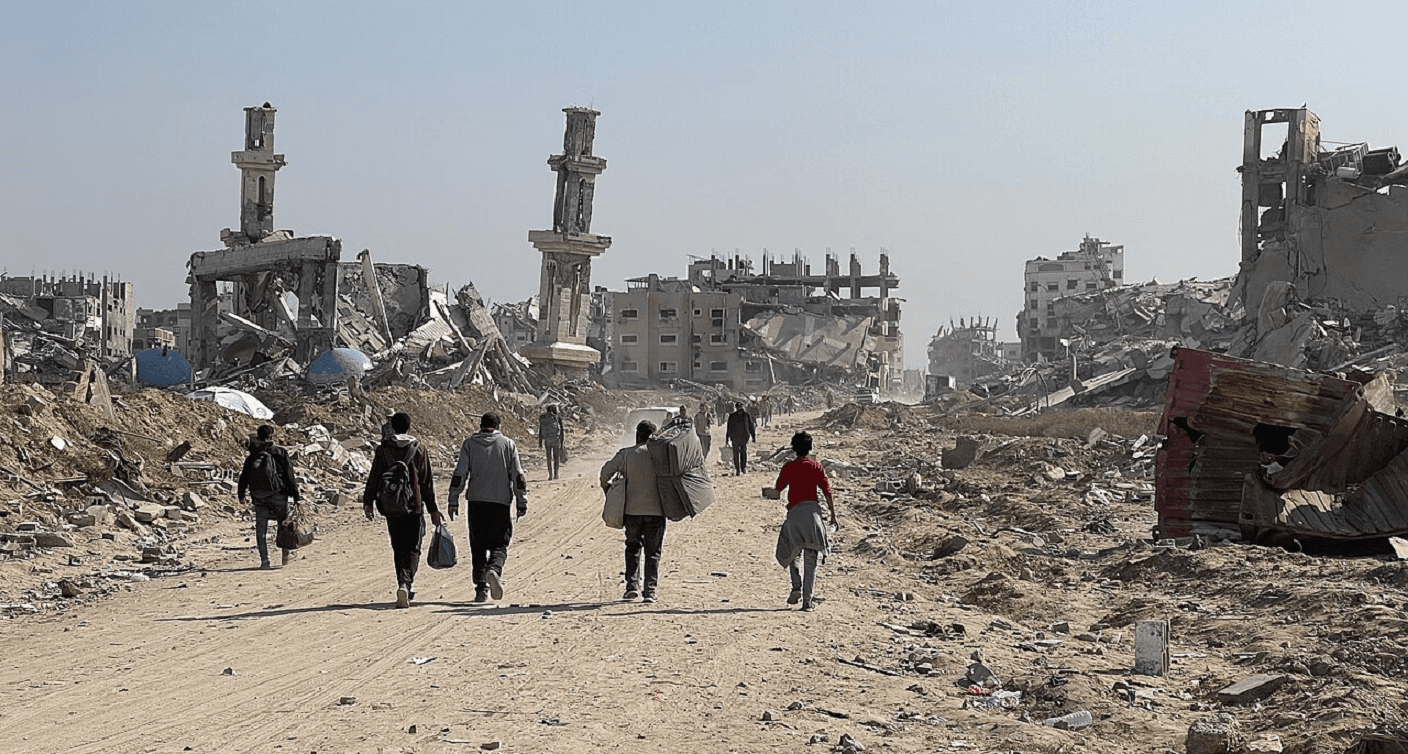
The United Nations Security Council voted 13-0 on November 17, 2025, to adopt a U.S.-drafted resolution endorsing President Donald Trump's 20-point Gaza peace plan, authorizing an international stabilization force and a transitional authority to oversee reconstruction and security in the war-torn enclave. Russia and China abstained, avoiding vetoes, in a rare show of consensus that provides legal backing for the fragile ceasefire brokered in October 2025 after two years of conflict between Israel and Hamas.
The resolution, introduced by U.S. Ambassador Mike Waltz, calls for the deployment of an International Stabilization Force (ISF) to demilitarize Gaza, secure borders, dismantle terrorist infrastructure, and facilitate humanitarian aid. It establishes a "Board of Peace" as a transitional governance body chaired by President Trump, tasked with supervising a technocratic Palestinian committee for day-to-day administration through at least 2027. The plan envisions reforms to the Palestinian Authority and Gaza redevelopment as prerequisites for "a credible pathway to Palestinian self-determination and statehood," though no firm timeline is specified.
President Trump hailed the outcome on Truth Social as "one of the biggest approvals in the History of the United Nations," predicting it would "lead to further Peace all over the World." The vote marks a diplomatic breakthrough for the Trump administration, which faced isolation at the UN during the war, with over 40 U.S.-backed resolutions vetoed or blocked by Russia and China. Arab and Muslim nations, including potential troop contributors like Egypt, Turkey, and the UAE, had conditioned involvement on Security Council authorization to legitimize the force and avoid perceptions of occupation.
The plan builds on the ceasefire's first phase—hostage releases and Israeli withdrawals—and addresses Gaza's devastation, where Israel's offensive has killed over 69,000 Palestinians since October 2023, per the Gaza Health Ministry, and destroyed 80% of infrastructure. Hamas rejected the resolution on November 17, calling the ISF a "party to the conflict" and rejecting foreign guardianship, while Israel's Prime Minister Benjamin Netanyahu emphasized Hamas's disarmament as non-negotiable.
European leaders welcomed the step: EU foreign policy chief Kaja Kallas termed it "a vital foundation for stability," and French President Emmanuel Macron noted it "paves the way for reconstruction." The U.S. envisions ISF deployment by January 2026, with funding from Gulf states and oversight by the Board of Peace, whose members Trump plans to announce soon. This approval contrasts with the UN's historical criticism of Israel—over 50 resolutions since 2016 condemning settlements—and Trump's policies, underscoring the plan's pragmatic appeal amid war fatigue.
Like this article