Supreme Court Poised to Rule on Constitutionality of Race-Based Districts, Paving Way for Fairer Redistricting
This examination highlights the tension between the Voting Rights Act's Section 2, enacted to prevent racial discrimination in voting but evolved to require majority-minority districts, and constitutional mandates for color-blind treatment.
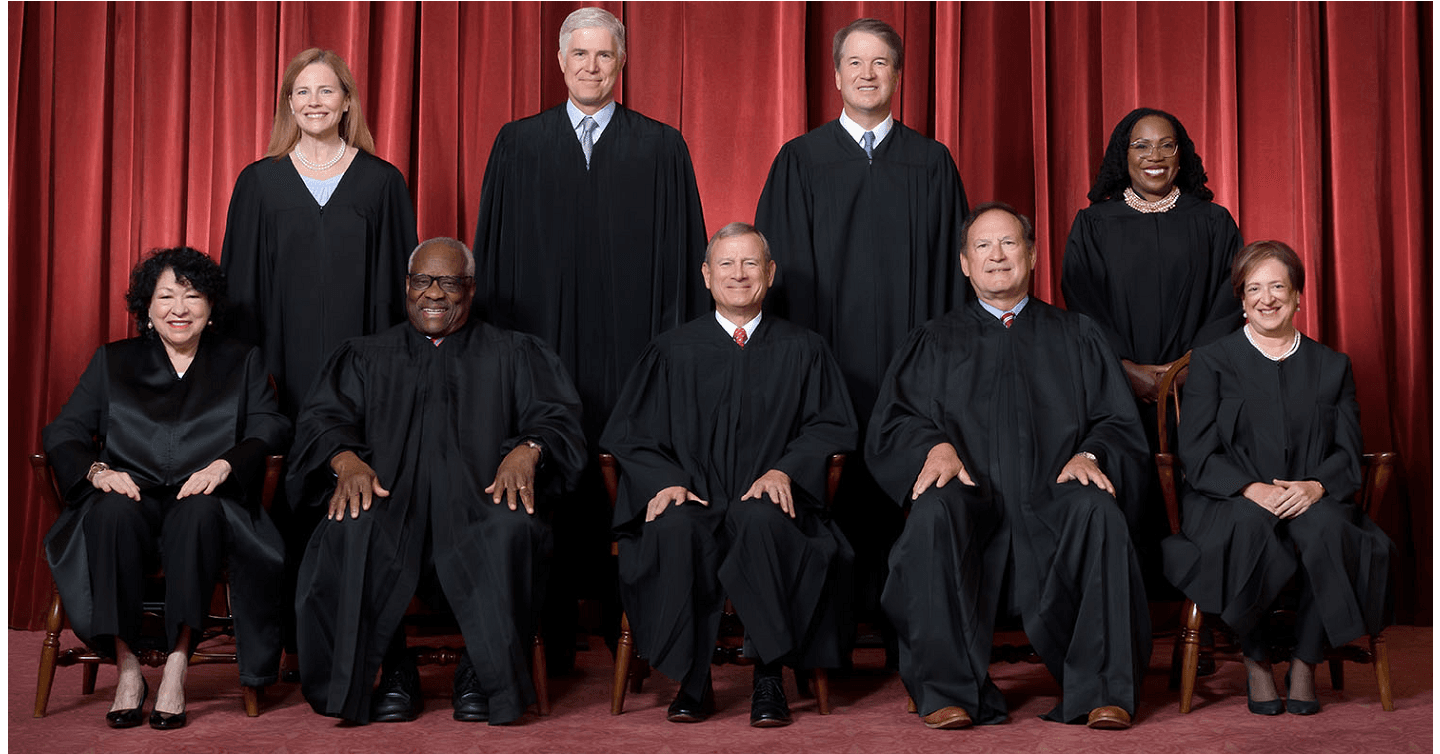
Washington, D.C. – The Supreme Court has signaled its intent to scrutinize the constitutionality of race-based congressional districts in a pivotal Louisiana case, ordering supplemental briefs on whether intentionally creating a second majority-Black district violates the 14th or 15th Amendments. This move could dismantle long-standing practices under Section 2 of the Voting Rights Act that mandate drawing districts based on race, restoring equal protection under the law and opening doors for Republican-led states to redraw maps for more balanced representation.
The case, Louisiana v. Callais, stems from Louisiana's 2022 congressional map, which featured only one majority-Black district out of six despite Black residents comprising about one-third of the population. A federal district court ruled it likely violated the Voting Rights Act by diluting Black voting power, upheld by the 5th Circuit, prompting the Republican-controlled legislature to adopt a 2024 map with a second majority-Black district. Non-Black voters challenged this as an unconstitutional racial gerrymander under the Equal Protection Clause, and a three-judge panel agreed, finding it impermissibly prioritized race. The Supreme Court paused that ruling for the 2024 elections but, after March arguments, deferred a decision and now seeks broader briefing, with state and Black voters' briefs due August 27, challengers' by September 17, and replies by October 3. Reargument is expected this fall.
This examination highlights the tension between the Voting Rights Act's Section 2, enacted to prevent racial discrimination in voting but evolved to require majority-minority districts, and constitutional mandates for color-blind treatment. The Court's conservative majority has previously limited the Act, striking preclearance in 2013's Shelby County v. Holder and narrowing Section 2 claims in 2021's Brnovich v. DNC. A ruling against race-based districts here could further restrict Section 2, prohibiting states from drawing lines primarily on racial grounds.
The ramifications would be profound, enabling Republican states to pursue mid-decade redistricting without racial mandates, potentially adding GOP seats in Congress. In Texas, where the Trump Justice Department flagged four unconstitutional "coalition districts" combining minorities, lawmakers are advancing maps to gain five seats, countering Democratic advantages in states like California and Illinois. Florida, Indiana, and Missouri are eyeing similar efforts, while ongoing battles in Alabama—where courts demanded a second Black district—could be upended. Nationwide, over 10 districts in Southern states might be redrawn, shifting power toward fairer, merit-based representation and bolstering Republican majorities ahead of 2026 midterms. This decision promises to affirm equal protection, ending divisive racial preferences in elections.
Like this article