Senate Rejects War Powers Resolution to Limit U.S. Action Against Iran
Introduced by Sen. Bernie Sanders (I-Vt.) and co-sponsored by Sens. Tim Kaine (D-Va.) and Mike Lee (R-Utah), the resolution aimed to assert congressional authority over the conflict, citing the 1973 War Powers Act.
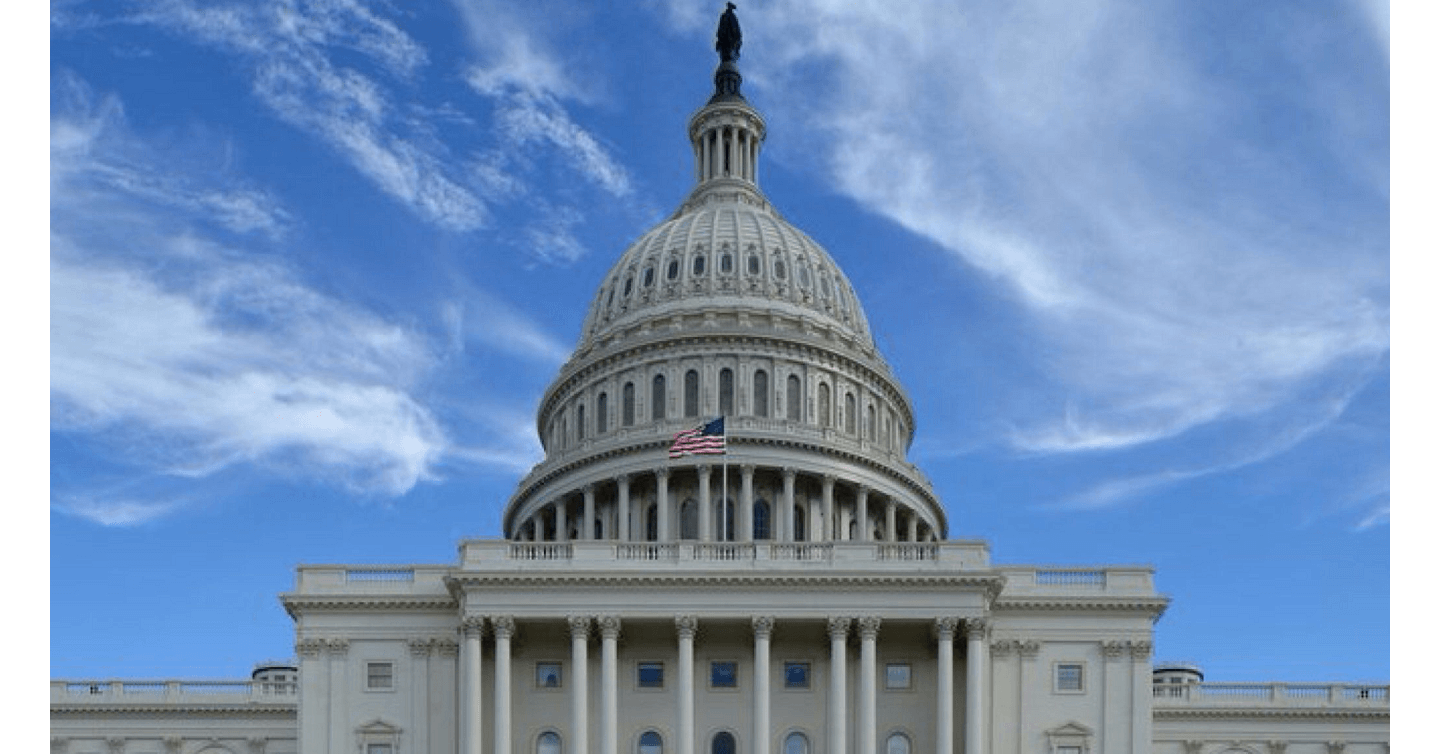
WASHINGTON – The Senate voted 71-27 Wednesday to table a War Powers Resolution that would have required President Trump to end military action against Iran within 30 days unless Congress authorized it, effectively rejecting the measure amid ongoing operations.
Introduced by Sen. Bernie Sanders (I-Vt.) and co-sponsored by Sens. Tim Kaine (D-Va.) and Mike Lee (R-Utah), the resolution aimed to assert congressional authority over the conflict, citing the 1973 War Powers Act. It garnered support from 11 Democrats, three Republicans, and independents, but faced bipartisan opposition, with 37 Republicans and 34 Democrats voting to table it.
Senate Majority Leader John Thune (R-S.D.) argued the resolution would tie the president's hands against threats, while Sanders criticized unchecked executive power. The vote underscores broad support for Trump's targeted strikes to neutralize Iran's nuclear and missile capabilities, avoiding a veto showdown.
To date, the military action—entering its seventh day—has involved over 2,000 strikes achieving air superiority, degrading key facilities, and eliminating senior regime figures, including a torpedo sinking of an Iranian warship. Iranian retaliations include drone strikes on the U.S. Embassy in Riyadh and missile attacks on Gulf allies, with six American service members killed. Reinforcements continue, with Trump projecting four to five weeks of focused efforts to secure U.S. and allied interests.