IMF Boosts U.S Economic Outlook Amid Global Uncertainty
On January 16, 2025, the IMF boosted its U.S. growth forecast to 2.2%, fueled by strong consumer spending, but warned of trade tensions looming large. As Trump’s inauguration nears, can America capitalize on this optimism or will tariffs derail the momentum?
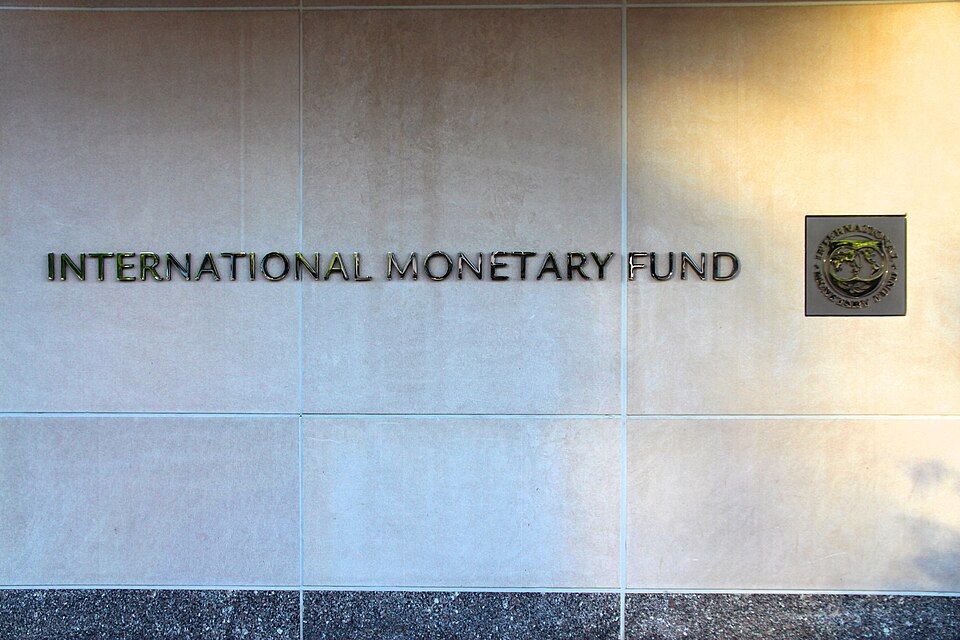
(Reprint) On January 16, 2025, the International Monetary Fund (IMF) released its World Economic Outlook Update, offering a cautiously optimistic forecast for the U.S. economy while acknowledging a complex global landscape. The IMF upgraded its 2025 U.S. growth projection to 2.2%, up from previous estimates, driven by robust consumer spending and steady business investment. This positive revision, coming just days before President Donald Trump’s inauguration, sparked hope among Americans eager for economic momentum. However, the report tempered its optimism with warnings about global uncertainties, particularly trade tensions stemming from anticipated U.S. policies like tariffs. As the nation stands on the cusp of a new administration, the IMF’s forecast highlights both the resilience of the U.S. economy and the challenges that could shape its trajectory in the year ahead.
The IMF’s upward revision for the U.S. was a bright spot in an otherwise nuanced global outlook, projecting world economic growth at 3.3% for 2025. The U.S. economy’s strength, according to the IMF, stems from resilient consumers who continue to spend despite inflationary pressures, alongside businesses investing in growth amid expectations of a pro-business environment. Posts on X reflected public enthusiasm, with users noting, “2.2% growth shows America’s still got it!” Economists credited the U.S.’s diverse economic base and adaptable markets for the positive outlook, suggesting that policies like the anticipated extension of the 2017 Tax Cuts and Jobs Act could further fuel investment and job creation. Supporters of the incoming Trump administration saw the forecast as validation of a business-friendly agenda, with deregulation and tax relief expected to bolster small businesses and corporate expansion.
Yet, the IMF’s report also sounded a note of caution, pointing to global trade tensions as a significant risk. With Trump set to take office on January 20, his proposed 25% tariffs on imports from Mexico and Canada—announced just days later—loomed large. The IMF warned that such measures could disrupt supply chains, raise consumer prices, and provoke retaliatory tariffs, potentially dampening global growth. Democrats expressed concern, with one House representative stating, “Tariffs could erase these gains by hitting working families with higher costs.” Republicans countered that protecting American industries would strengthen the economy long-term, with a Trump advisor on X arguing, “Tariffs mean jobs stay here, not across the border.” The IMF remained neutral, noting that while U.S. growth prospects are strong, global uncertainties like trade disputes and geopolitical risks could create headwinds.
The IMF’s forecast arrives at a pivotal moment, as Americans look to the new administration for economic leadership. The 2.2% growth projection offers a foundation of optimism, reflecting the resilience of consumers and businesses. Yet, the specter of trade tensions underscores the delicate balance policymakers must strike. Both sides have valid concerns: tariffs could shield domestic industries but risk inflation, while consumer spending drives growth but faces pressure from rising costs. As 2025 unfolds, the U.S. economy’s ability to navigate these challenges will determine whether the IMF’s optimism translates into sustained prosperity for all Americans.
Like this article