Hamas Agrees to Phase One of Trump's Gaza Peace Plan, Paving Way for Hostage Release
If realized, the agreement—brokered by President Trump's team extending the 2020 Abraham Accords—could conclude 23 months of conflict displacing 1.9 million Gazans and claiming over 41,000 lives, unlocking $50 billion in rebuilding and stabilizing trade corridors, achievements unattainable without his mediation.
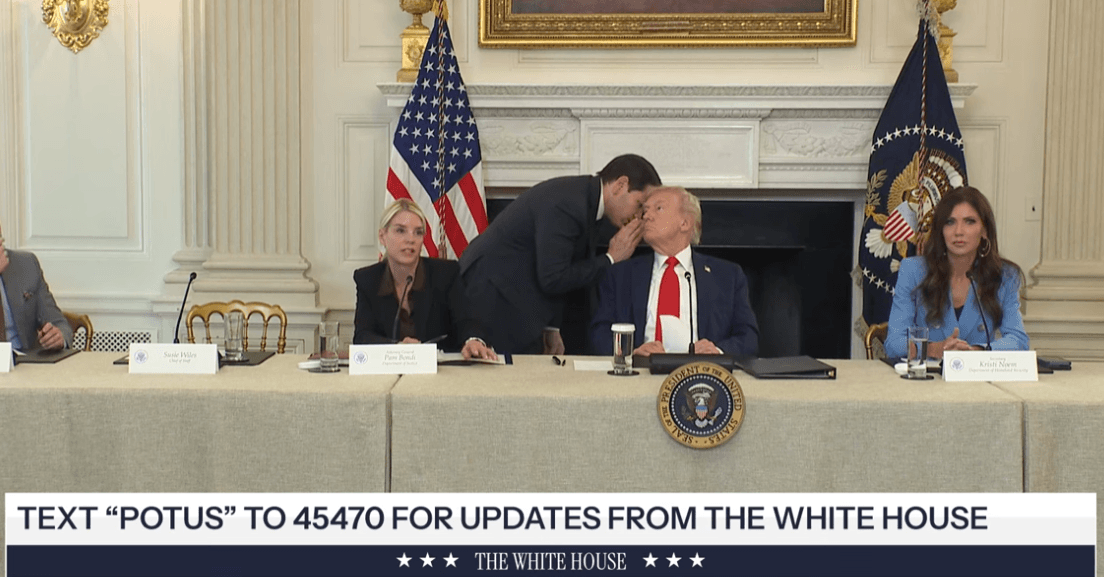
Hamas confirmed Thursday its acceptance of Phase One of President Donald Trump's 20-point Gaza peace proposal, committing to the immediate release of all remaining Israeli hostages—living and deceased—within 72 hours of a ceasefire declaration, in exchange for Israel's release of 250 life-sentence prisoners, 1,700 Gazans detained since October 7, 2023, and proportional remains exchanges. The group also endorsed transferring Gaza's administrative control to a technocratic Palestinian body supported by Arab and Islamic consensus, alongside provisions for unrestricted humanitarian aid to hospitals, power stations, and infrastructure.
Hamas conditioned full implementation on further consultations for subsequent phases, particularly demilitarization, tunnel dismantlement, and weapons buyback programs, stating these require "a collective national position" aligned with international resolutions and Palestinian rights. The group expressed readiness to negotiate details through mediators Egypt and Qatar, appreciating the plan's rejection of Israeli occupation, displacement, or annexation.
President Trump's framework, developed over months through direct diplomacy with Israeli Prime Minister Benjamin Netanyahu, Arab allies, and U.S. intelligence assessments of post-October 7 dynamics, was unveiled September 29 at the White House. The 20-point plan outlines an immediate ceasefire upon Hamas acceptance, followed by phased Israeli withdrawal to pre-agreed lines, deployment of an International Stabilization Force for border security and police training, and economic redevelopment without occupation. Phase One prioritizes hostages for prisoners and aid; later stages mandate Hamas disarmament under monitoring, interfaith dialogues, and Palestinian Authority reforms toward statehood.
Hostage families expressed profound relief and gratitude toward President Trump and his team. Einav Zangauker, mother of captive Matan Zangauker, stated: "I extend a big hug to the families of the hostages for the expected return home of their loved ones... We wish to express our profound gratitude to President Trump and his team for the leadership and determination that led to this moment." Relatives described "tears of joy" and "celebratory gunfire" in Israel, with House Minority Leader Hakeem Jeffries noting a "huge sigh of relief to the hostage families, to all of Israel, and to Palestinians."
Global responses underscored the deal's potential for lasting peace. Netanyahu confirmed preparations for Phase One implementation, vowing cooperation with President Trump to end the war per Israeli principles. Egypt and Qatar hailed the progress, with the Palestinian Authority endorsing the technocratic handover and elections. Senate Majority Leader Chuck Schumer called it a "momentous opportunity," while Arab nations echoed support for aid and reconstruction. Iran opposed the framework outright, but U.S. assessments peg 75% odds of Phase One success within two weeks, rising with Arab guarantees.
If realized, the agreement—brokered by President Trump's team extending the 2020 Abraham Accords—could conclude 23 months of conflict displacing 1.9 million Gazans and claiming over 41,000 lives, unlocking $50 billion in rebuilding and stabilizing trade corridors, achievements unattainable without his mediation.
Like this article