Florida Judge Orders Unsealing of Epstein Grand Jury Transcripts in Landmark Ruling
The ruling paves the way for the release of these documents within weeks, further expanding access to Epstein-related records amid growing demands for accountability in the financier's case.
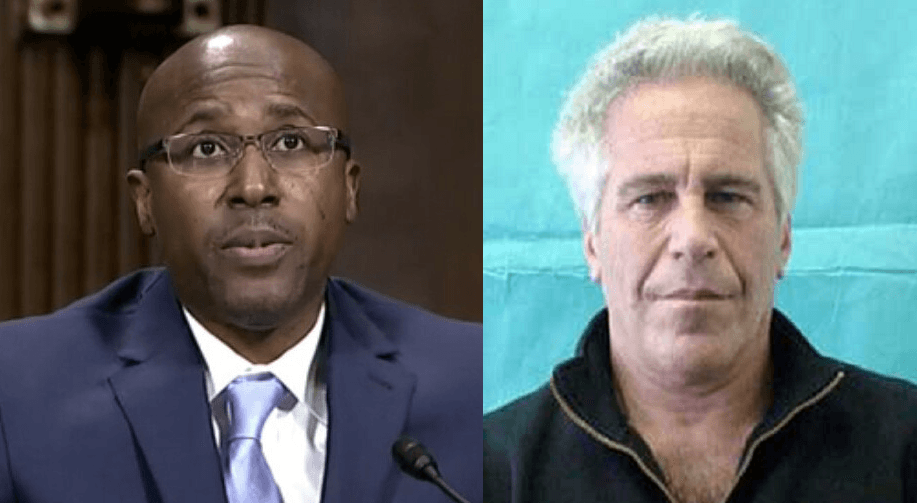
U.S. District Judge Rodney Smith ruled on December 5, 2025, to unseal grand jury transcripts from the 2005 and 2007 federal investigation into Jeffrey Epstein's sex trafficking activities in Florida, granting a motion filed by the Trump administration's Justice Department. The decision, a two-page order in the Southern District of Florida, holds that the recently enacted Epstein Files Transparency Act "overrides" longstanding federal rules prohibiting public disclosure of grand jury materials under Federal Rule of Criminal Procedure 6(e). The ruling paves the way for the release of these documents within weeks, further expanding access to Epstein-related records amid growing demands for accountability in the financier's case.
The transcripts stem from a Palm Beach County investigation that began in March 2005 after a 14-year-old girl reported being paid for sexual acts at Epstein's mansion. The probe uncovered a network involving at least 36 underage victims, leading to a 53-page indictment in August 2006 for solicitation of prostitution. However, Epstein's non-prosecution agreement, negotiated by then-U.S. Attorney Alexander Acosta and approved by a grand jury in June 2008, resulted in a lenient 13-month sentence with work release, shielding Epstein and co-conspirators from federal charges. The deal, challenged in 2019 by victims under the Crime Victims' Rights Act, was upheld but criticized for its secrecy.
The Trump administration's motion, filed November 15, 2025, sought unsealing under the Epstein Files Transparency Act, signed by President Trump on November 19, which mandates release of all unclassified DOJ and FBI materials on Epstein within 30 days, with limited redactions for victim privacy or national security. Attorney General Pam Bondi argued the act's language "trumps" Rule 6(e), compelling disclosure to fulfill congressional intent for transparency. Smith agreed, stating the law "overrides" secrecy protections, and modified a 2008 protective order barring release.
This marks the first successful unsealing of Epstein's Florida grand jury records, following rejections of prior Trump-era requests in 2019 and 2020 by judges citing evidentiary rules. The 2024 law, passed unanimously in the House (427-1) and Senate, responds to victim advocates and bipartisan pressure for full disclosure of Epstein's network, which implicated figures like Bill Clinton and Prince Andrew. The transcripts, estimated at 1,000-2,000 pages, may reveal details on the non-prosecution deal's negotiation and grand jury deliberations, potentially shedding light on Acosta's role—later as Trump's Labor Secretary—and Epstein's influence.
Bondi hailed the ruling on December 5, stating, "Transparency is the cornerstone of justice, and this decision brings us closer to full accountability for Epstein's crimes." The DOJ must now redact sensitive information and release the materials by mid-December, per the act's timeline. Victims' attorney Bradley Edwards, who challenged the 2008 deal, welcomed the order, noting it could expose "how the system failed" underage girls. The release follows November's unsealing of 2,000 pages from Giuffre v. Maxwell, naming 150 associates, and aligns with Bondi's reversal of a July 2025 case closure amid new evidence.
The decision underscores the Epstein Files Transparency Act's impact, signed amid Trump's push for declassification despite initial resistance. As the DOJ compiles 100,000 pages of files, the Florida transcripts could provide the most detailed view yet of the 2008 plea bargain's origins, which Acosta defended as the "toughest sentence possible" at the time but later apologized for in 2019. Release is expected by December 20, with congressional oversight to ensure compliance.
Like this article